Part 2: The Striking Contrast of Two Systems

written by

Corbin Steiner

posted on

November 9, 2024

Hello again! 

Last week we asked the question — is it worth it? Does the extra effort and cost of buying 100% grass-fed beef directly from a farmer that I trust really make a difference in the health of my family and the environment?🤔

In that email we took a look at the conventional system of raising beef that is based on inputs, chemicals... and killing things. (you can click HERE to read it again)

Today I want to share about another system that is based on working in-sync with nature to promote LIFE and HEALTH — In the soil, the environment, the animals, and YOU!😀


Why Does It Matter? 

Because we're killing our food supply! 

Our life depends on soil — without it there is nothing to eat! But did you know that we're losing it?

Our current methods of farming across the globe are killing the soil! At this point we've lost 1/3 of the world's topsoil and this is continuing in a process called desertification. Desertification is just a fancy word that means fertile land becoming a desert.

Cracked-Ground---desert.jpg

Soil is made up of carbon and LOTS of microbes. In one handful of healthy soil there are more microbes than there are people on the earth! Microbes are essential to the function of soil. Without them you are left with lifeless dirt!

Whenever you till the soil it releases carbon into the atmosphere and damages the soil. And guess what spraying tons of toxic chemicals does to the the microbes? It kills them! Desertification happens when soil is continuously damaged over long periods of time until it stops growing things....

Tragically, there are an estimated 40 million people who become refugees each year because of desertification.💔

NO SOIL = NO CIVILITATION! 

Rapid erosion has been happening in America since the unleashing of the tractor and plow in the early 1900s, and is still happening today at an alarming rate!

The picture below is of the famous 1930s "Dust Bowl". You might not think that the Dust Bowl could happen again, but just this year the interstate that goes by our farm was closed due to blowing dust...

Dust-bowl-.jpg

 And not only are we killing our food supply — we're killing ourselves....

For each person in the U.S., there are THREE POUNDS of toxic pesticides used in agriculture each year! 

These toxic chemicals not only come to us through our food but also are contaminating much of our drinking water.

All of these chemicals have a significant impact on the microbiome in our gut that a growing body of research is showing to be linked to the exponential increase in gut disfunction and a long list of diseases including cancer.

Crop-Duster.jpg

BUT THERE IS HOPE!

Topsoil CAN be rebuilt, carbon sequestered, and chemical use stopped with the proper management of the humble cow!

Cows-in-pasture.jpg


Regeneratively Grazed, 100% Grass-fed Beef 🌱🌱

This system of raising beef focuses on working in-sync with the systems of nature that God created — and that is where amazing things start happening!

One of those patterns is the need for MOVEMENT across the landscape which we achieve through a grazing method called rotational grazing. 

With rotational grazing, we move our cattle to a new section of pasture every day or two so the cows graze off the grass and leave their manure behind which in turn fertilizes the grass!
 

This is the cycle of LIFE and HEALTH that results from rotational grazing...

  • The pasture grows more grass and naturally suppresses weeds without the use of chemical fertilizers or herbicides. This is because the grass isn't overgrazed (since the cows are moved every day) resulting in deeper roots and stronger plants.
  • The cows harvest their own feed and spread their own manure — without the use of diesel fuel! (with the exception that we do make some hay for the winter)
  • The soil health improves over time because of the deeper grass roots, manure, and not having chemical herbicides and fertilizers applied to it.
  • Flourishing pastures act as a "carbon sink" drawing down more carbon and methane than the cattle produce in their lifetime as shown by this study!
  • Topsoil can be rebuilt at an incredible speed of one inch every three years! This is compared to it taking 100 - 500 years with conventional agriculture.
  • Healthy soil soaks rain in faster (an average of 6x faster than degraded soil!) resulting in less flooding and more water being stored in the soil for times of drought!
  • This regenerating, soil building, and life giving cycle continues to repeat! 😀
  • Healthy soil = healthy plants = healthy animals = healthy YOU!

With your support, we can turn run-down farm land into a thriving example of regenerative agriculture!

Misty-morning-in-pasture.jpg

Working in sync with nature makes for cattle that can thrive on JUST GRASS without needing chemical fertilizers, herbicides, insecticides, de-wormers, vaccines, antibiotics, and tons of diesel fuel — while also building topsoil and improving the environment!

But is there proof that the beef is actually healthier for you???

YES!
 
100% Grass-fed beef that is raised this way has around 4 times more omega-3 fatty acids than grain fed beef. 

It also has a much better omega-6 : omega-3 ratio of around 3:1 vs the extremely high ratio of 15:1 that is commonly found in grain-fed beef! 

Omega-3s have been shown to be important in the improvement of heart and brain function, as well as protecting you from depression, schizophrenia, ADD and Alzheimer's disease.

Sadly, statistics show that around 70-90% of Americans are deficient in omega-3 fatty acids, with young children being some that are especially vulnerable.

And there's more! 

Truly 100% grass-fed beef has 3 times more Conjugated Linoleic Acid (CLA) compared to grain-fed beef.

CLAs are a powerful nutritional defense against many types of cancer! One study showed that women that had the most CLA in their diet had a 60% reduction in the risk of breast cancer. Unfortunately, the average American has less than half the optimal level of CLAs in their diet. 

What you eat on a daily basis has a big impact on your long-term health for better or for worse. It's up to you which one it will be.  
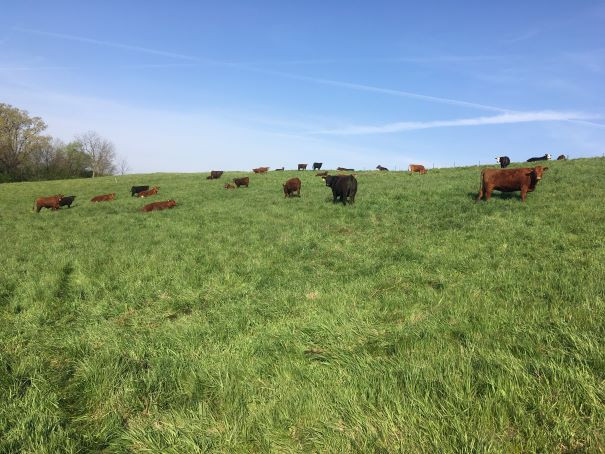
Cows-on-hillside-pasture.JPG

So what is the value of beef that that has way more essential nutrients, is free from toxic chemicals, and improves the environment for future generations???

That's for you to decide!😀


Blessings on your day,

Your Farmer,
Corbin
Prairie Creek Pastures

Corbin-Head-shot-150px.jpg


100% Grassfed Beef

More from the blog

The Ultimate Grassfed Steak Buying Guide

There’s nothing quite like a great steak cooked over a hot grill or cast-iron skillet. But with so many cuts to choose from, it can be hard to know which steak is right for your family, cooking style, or budget. Here at Prairie Creek Pastures, our cattle are 100% grass-fed and grass-finished and raised on regenerative pastures without hormones, antibiotics, or vaccines. That means every cut delivers clean flavor, nutrient-dense nutrition, and the kind of quality you can feel good about feeding your family. This guide walks through the steaks we offer and helps you understand what makes each one unique — from rich, buttery ribeyes to lean and flavorful sirloins. Quick Tip: Grassfed beef cooks faster than conventional beef. For the best results, cook most steaks to medium-rare or medium (internal temp 130-135°) and allow to rest at least 5 minutes before slicing. (see notes at bottom) Choosing the Right Steak When picking a steak, most people care about four things: Flavor Tenderness Marbling Value Some cuts excel in one area, while others strike a balance across all four. Filet Mignon The Most Tender Cut Filet mignon is known for one thing above all else: tenderness. Cut from the tenderloin, this steak has very little connective tissue, giving it an exceptionally soft texture. What to Expect Extremely tender Lean and delicate Mild beef flavor Smaller portion size Best Cooking Method Cook carefully over high heat and avoid overcooking. Because filet is lean, medium-rare is ideal. Cost: $$$ Great For Date nights Elegant dinners Anyone prioritizing tenderness Ribeye Steak The Classic Steakhouse Favorite The ribeye is prized for its rich marbling and bold flavor. Cut from the rib section, this steak delivers the most traditional steakhouse experience and is often the first choice for serious steak lovers. What to Expect  Rich, juicy flavor Excellent marbling Tender texture Best for grilling or cast iron searing Best Cooking Method Sear over high heat and finish at a more moderate temp. A simple seasoning of salt and pepper is often all you need. Cost: $$ Great For Special occasions Reverse searing Grill enthusiasts NY Strip Steak Best All-Around Steak  The New York Strip is a favorite for people who want a steak that balances tenderness with a firmer, beefier bite. It is a dependable steak that is easy to cook and hard to mess up. Compared to a ribeye, the strip steak is slightly leaner but still offers excellent flavor and a satisfying texture. What to Expect Bold beef flavor Moderate marbling Tender with a slight chew Consistent cooking results Best Cooking Method Excellent on the grill or pan-seared with butter and herbs. Cost: $$ Great For Weeknight steaks Steak sandwiches First-time grass-fed buyers Top Sirloin Steak Lean, Affordable, and Versatile Top sirloin is one of the best everyday steaks because it delivers great flavor at a more affordable price point. It’s leaner than ribeye or ny strip steak but still tender when cooked correctly. What to Expect Lean and hearty Great beef flavor Excellent value Easy to cook Best Cooking Method Grill or pan-sear to medium-rare and slice against the grain. Cost: $ Great For Family dinners Meal prep Steak salads and bowls Flat Iron Steak One of the Best Values in Beef Flat iron steak combines tenderness, marbling, and affordability in one underrated cut. It’s cut from the shoulder and offers excellent flavor without the premium price tag of ribeye or filet. What to Expect Tender textureGreat marblingRich flavorExcellent value Best Cooking Method Perfect for cast iron or grilling. Cost: $ Great For Budget-friendly steak nightsSandwichesSlicing over salads Hanger Steak The Butcher’s Favorite Hanger steak is one of the most flavorful cuts on the animal and remains a hidden gem for many home cooks. It has deep beef flavor and a loose grain that absorbs marinades beautifully. What to Expect Intense beef flavor Tender when sliced correctly Loose texture Excellent for marinades Best Cooking Method Cook quickly over high heat and always slice against the grain. These can be difficult to cook evenly because it tapers from thick to thin, but utilizing cool/hot parts of the grill can solve that. Cost: $ Great For Steak tacos Fajitas Chimichurri-style preparations Flank Steak Lean and Full of Flavor Flank steak is a long, lean cut with incredible flavor. While it’s not as naturally tender as ribeye or filet, proper slicing makes all the difference. What to Expect Lean texture Strong beef flavor Best when marinated Great for slicing thin Best Cooking Method Marinate first, grill hot and fast, then slice thinly against the grain. Cost: $ Great For Fajitas Stir fry Steak salads Skirt Steak Big Flavor for High-Heat Cooking Skirt steak is famous for its rich flavor and fast cooking time. It’s thin, intensely beefy, and one of the best cuts for quick meals. What to Expect Deep beef flavor Thin texture Quick cooking Excellent marinade absorption Best Cooking Method Cook hot and very fast. Watch these carefully as skirts are thin and can overcook quickly. Cost: $ Great For Tacos Fajitas Quick grilling Final Thoughts The “best” steak ultimately depends on what you enjoy most. Love rich marbling? Go with the ribeye.Dependable all-around steak? New york strip. Want the most tender experience? Choose filet mignon. Looking for everyday value? Top sirloin and flat iron are hard to beat. Prefer bold beef flavor? Try hanger, flank, or skirt steak. No matter which cut you choose, you can trust that every steak from Prairie Creek Pastures comes from cattle raised the way nature intended — on pasture, with clean nutrition and careful stewardship from start to finish.  Simple Steps for Grilling Amazing Grassfed Steak 1.Salt & Pepper 1hr Before Rub a generous amount of salt and pepper on all sides of the previously thawed steak and let set for around a hour. (you can still get pretty good results if you don't have time to let it set) 2. Use High Heat - Don’t Overcook It! Most steaks benefit from a hot grill or cast-iron skillet to create a quick sear and then move to a slightly cooler spot on the grill to finish. Use a meat thermometer to gauge exactly when it's done. Rare 120°| medium 135°| medium-well 145°. Don't "ruin" your steaks by overcooking! Well-done tends to give you a dry texture and reduce the flavor.  3. Let It Rest Lightly cover and rest steaks for 5–10 minutes before slicing to give the fibers time to cool slightly and reabsorb the juices.  4. Slice Against the Grain Especially important for flank, skirt, and hanger steaks. It's really pretty simple and gives good results every time! For a more detailed explanation of these steps check out more info from our farmer friends, the Shanks. h1 { font-size: 2.8rem; margin-bottom: 15px; text-align: center; } h2 { margin-top: 60px; font-size: 2rem; } h3 { margin-top: 30px; font-size: 1.75rem; } h4 { margin-top: 30px; font-size: 1.1rem; font-weight: bold; } p { margin-bottom: 20px; font-size: 1.05rem; } ul { margin-bottom: 25px; padding-left: 25px; } li { margin-bottom: 8px; } img { width: 70%; border-radius: 8px; }