🔥2026 STEAKout Sale + FREE Raw Milk!
100% Grassfed | 100% Clean | 100% Delicious
Shop Sale Now!

Your Farmer's Opinion on Bird Flu + Local Source of Soy-Free & Organic Feed!

written by

Corbin Steiner

posted on

March 1, 2025

Good morning from the farm!

With Bird Flu in the news, egg prices soaring, and bare store shelves in some places, I thought you might be interested on what things are looking like here on the farm and what my perspective is on HPAI (Highly Pathogenic Avian Influenza)!😀

Bird Flu

Avian influenza is found in virtually all wild waterfowl in it's low pathogenic form, but when it mutates to the highly pathogenic form (such as the current outbreak of H5N1) it can be deadly for poultry — especially those with compromised immune systems...

Over 95% of eggs in the U.S. come from confinement poultry farms where the the chickens are confined in a barn with contaminated air and NO sunlight.

The thing is that Avian Influenza is particularly sensitive to ultra-violet radiation which is exactly what is found in direct sunlight! 
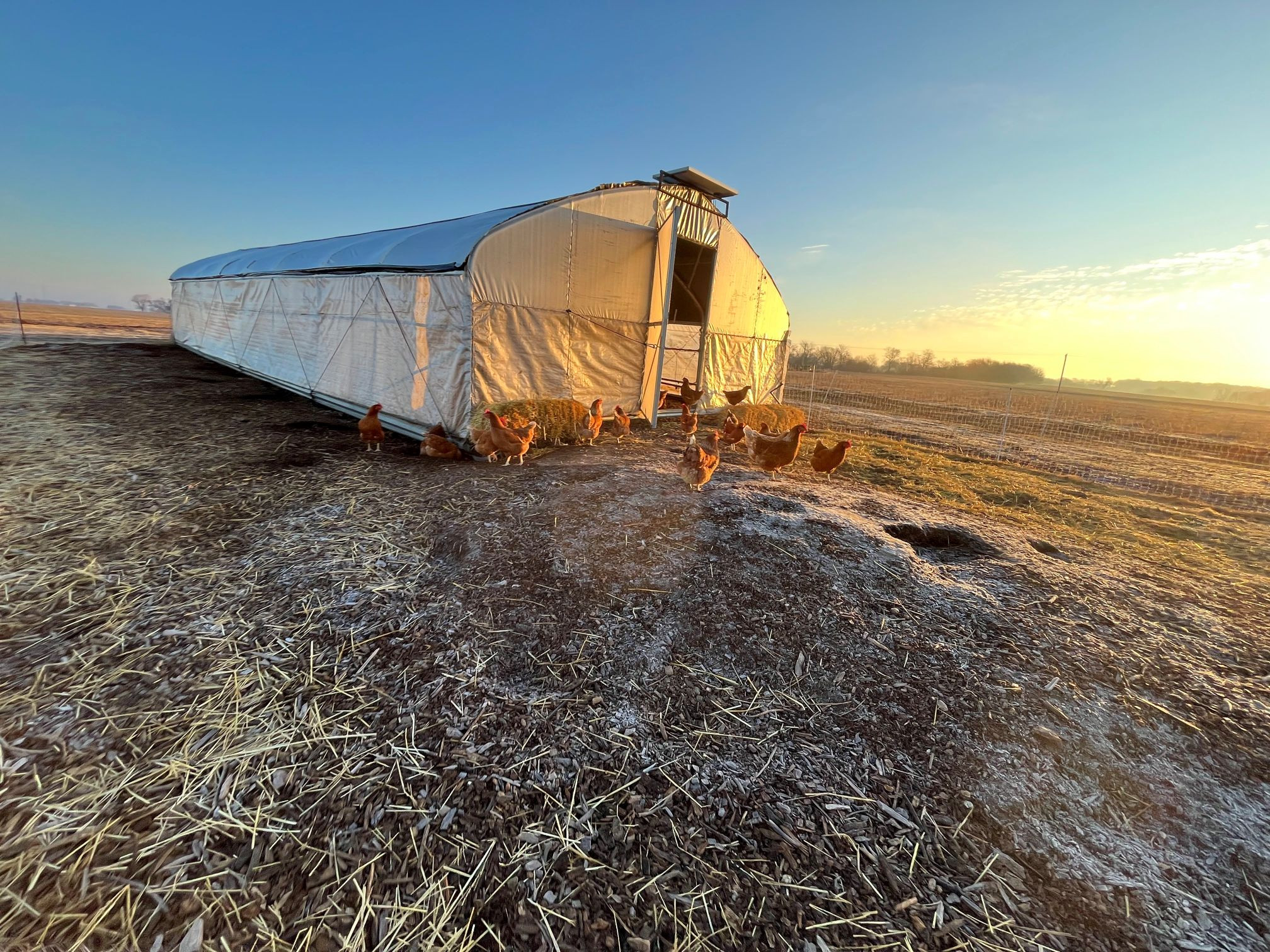
Chicken-house.jpg

There are several things in our outdoor, pasture based model of raising chickens that contribute to a lower chance of contacting Avian Influenza:

#1 Sunlight - I can look out from my desk right now and see our laying hens outside their winter housing enjoying the sunshine! The sun is nature's sanitizer — the more the merrier!

#2 Less Stress - Most commercial egg farms provide only 1.25 sq. ft. per hen of indoor housing space (including commercial pasture raised farms). Our hens are enjoying over double the amount of space inside the coop and plenty of area outside to enjoy as the weather allows! Just like humans, less stress promotes a stronger immune system.

#3 No GMO's - GMO feeds "may predispose the birds to inflammation, immune stress and microbial imbalance" according to APPPA (American Pastured Poultry Producers Association).

#4 No Vaccines, Antibiotics... or other immune system compromising toxins!

The unfortunate thing is how the government is trying to control the disease — by complete extermination of all the chickens in a flock if one hen tests positive. The problem with this (from my farmer perspective) is that the chickens that would have survived and built immunity are killed along with the rest of them - so there is no way to strengthen the genetics for the future...

It's important to realize that Avian Influenza is found in virtually all wild waterfowl, and short of exterminating all wild populations, it's not going to be going away anytime soon.

In my opinion, the commercial egg production model is fundamentally flawed resulting in immunocompromised chickens. The future for a more stable and resilient food system starts with smaller flocks of chickens being outside and on healthy pasture in their natural environment!

You as the consumer are in the drivers seat for making this change to the food system — by investing your food dollars in small family farms instead of huge national corporations!👏❤️

Does bird flu impact the eggs? 

From what I've seen, the risk of contacting the bird flu from eggs is extremely minimal, so using your usual cleanliness standards is what I would recommend.

Our Egg Supply

Thankfully our flock of hens has been laying extremely well this winter so we have a good supply of eggs right now! It has been exciting to hear from at least one customer how she can handle our soy-free eggs just fine but other eggs don't settle very well with her. It's always encouraging to here how our hard work is making a difference in someone's life!❤️

Local Organic & Soy-Free Feed Source


Several people have asked recently where they can get high quality feed for their chickens locally so I thought that there might be more of you with the same question!

I just wanted to pass on that I found out from one of our customers (thanks Kacy!) that Jed Martin in Eureka grinds feed right there on his farm and sells it to people with backyard flocks! All of his feed is organic and he also has options for soy-free which is amazing!

Since learning about Jed, we've started using his feed and have been impressed with it so far! You can get ahold of Jed at this cell phone 309-224-1730. Feel free to mention that you had heard about him from me!😀

Have a blessed weekend!

Your Farmer,
Corbin
Prairie Creek Pastures

Corbin-Head-shot-150px.jpg

More from the blog

The Ultimate Grassfed Steak Buying Guide

There’s nothing quite like a great steak cooked over a hot grill or cast-iron skillet. But with so many cuts to choose from, it can be hard to know which steak is right for your family, cooking style, or budget. Here at Prairie Creek Pastures, our cattle are 100% grass-fed and grass-finished and raised on regenerative pastures without hormones, antibiotics, or vaccines. That means every cut delivers clean flavor, nutrient-dense nutrition, and the kind of quality you can feel good about feeding your family. This guide walks through the steaks we offer and helps you understand what makes each one unique — from rich, buttery ribeyes to lean and flavorful sirloins. Quick Tip: Grassfed beef cooks faster than conventional beef. For the best results, cook most steaks to medium-rare or medium (internal temp 130-135°) and allow to rest at least 5 minutes before slicing. (see notes at bottom) Choosing the Right Steak When picking a steak, most people care about four things: Flavor Tenderness Marbling Value Some cuts excel in one area, while others strike a balance across all four. Filet Mignon The Most Tender Cut Filet mignon is known for one thing above all else: tenderness. Cut from the tenderloin, this steak has very little connective tissue, giving it an exceptionally soft texture. What to Expect Extremely tender Lean and delicate Mild beef flavor Smaller portion size Best Cooking Method Cook carefully over high heat and avoid overcooking. Because filet is lean, medium-rare is ideal. Cost: $$$ Great For Date nights Elegant dinners Anyone prioritizing tenderness Ribeye Steak The Classic Steakhouse Favorite The ribeye is prized for its rich marbling and bold flavor. Cut from the rib section, this steak delivers the most traditional steakhouse experience and is often the first choice for serious steak lovers. What to Expect  Rich, juicy flavor Excellent marbling Tender texture Best for grilling or cast iron searing Best Cooking Method Sear over high heat and finish at a more moderate temp. A simple seasoning of salt and pepper is often all you need. Cost: $$ Great For Special occasions Reverse searing Grill enthusiasts NY Strip Steak Best All-Around Steak  The New York Strip is a favorite for people who want a steak that balances tenderness with a firmer, beefier bite. It is a dependable steak that is easy to cook and hard to mess up. Compared to a ribeye, the strip steak is slightly leaner but still offers excellent flavor and a satisfying texture. What to Expect Bold beef flavor Moderate marbling Tender with a slight chew Consistent cooking results Best Cooking Method Excellent on the grill or pan-seared with butter and herbs. Cost: $$ Great For Weeknight steaks Steak sandwiches First-time grass-fed buyers Top Sirloin Steak Lean, Affordable, and Versatile Top sirloin is one of the best everyday steaks because it delivers great flavor at a more affordable price point. It’s leaner than ribeye or ny strip steak but still tender when cooked correctly. What to Expect Lean and hearty Great beef flavor Excellent value Easy to cook Best Cooking Method Grill or pan-sear to medium-rare and slice against the grain. Cost: $ Great For Family dinners Meal prep Steak salads and bowls Flat Iron Steak One of the Best Values in Beef Flat iron steak combines tenderness, marbling, and affordability in one underrated cut. It’s cut from the shoulder and offers excellent flavor without the premium price tag of ribeye or filet. What to Expect Tender textureGreat marblingRich flavorExcellent value Best Cooking Method Perfect for cast iron or grilling. Cost: $ Great For Budget-friendly steak nightsSandwichesSlicing over salads Hanger Steak The Butcher’s Favorite Hanger steak is one of the most flavorful cuts on the animal and remains a hidden gem for many home cooks. It has deep beef flavor and a loose grain that absorbs marinades beautifully. What to Expect Intense beef flavor Tender when sliced correctly Loose texture Excellent for marinades Best Cooking Method Cook quickly over high heat and always slice against the grain. These can be difficult to cook evenly because it tapers from thick to thin, but utilizing cool/hot parts of the grill can solve that. Cost: $ Great For Steak tacos Fajitas Chimichurri-style preparations Flank Steak Lean and Full of Flavor Flank steak is a long, lean cut with incredible flavor. While it’s not as naturally tender as ribeye or filet, proper slicing makes all the difference. What to Expect Lean texture Strong beef flavor Best when marinated Great for slicing thin Best Cooking Method Marinate first, grill hot and fast, then slice thinly against the grain. Cost: $ Great For Fajitas Stir fry Steak salads Skirt Steak Big Flavor for High-Heat Cooking Skirt steak is famous for its rich flavor and fast cooking time. It’s thin, intensely beefy, and one of the best cuts for quick meals. What to Expect Deep beef flavor Thin texture Quick cooking Excellent marinade absorption Best Cooking Method Cook hot and very fast. Watch these carefully as skirts are thin and can overcook quickly. Cost: $ Great For Tacos Fajitas Quick grilling Final Thoughts The “best” steak ultimately depends on what you enjoy most. Love rich marbling? Go with the ribeye.Dependable all-around steak? New york strip. Want the most tender experience? Choose filet mignon. Looking for everyday value? Top sirloin and flat iron are hard to beat. Prefer bold beef flavor? Try hanger, flank, or skirt steak. No matter which cut you choose, you can trust that every steak from Prairie Creek Pastures comes from cattle raised the way nature intended — on pasture, with clean nutrition and careful stewardship from start to finish.  Simple Steps for Grilling Amazing Grassfed Steak 1.Salt & Pepper 1hr Before Rub a generous amount of salt and pepper on all sides of the previously thawed steak and let set for around a hour. (you can still get pretty good results if you don't have time to let it set) 2. Use High Heat - Don’t Overcook It! Most steaks benefit from a hot grill or cast-iron skillet to create a quick sear and then move to a slightly cooler spot on the grill to finish. Use a meat thermometer to gauge exactly when it's done. Rare 120°| medium 135°| medium-well 145°. Don't "ruin" your steaks by overcooking! Well-done tends to give you a dry texture and reduce the flavor.  3. Let It Rest Lightly cover and rest steaks for 5–10 minutes before slicing to give the fibers time to cool slightly and reabsorb the juices.  4. Slice Against the Grain Especially important for flank, skirt, and hanger steaks. It's really pretty simple and gives good results every time! For a more detailed explanation of these steps check out more info from our farmer friends, the Shanks. h1 { font-size: 2.8rem; margin-bottom: 15px; text-align: center; } h2 { margin-top: 60px; font-size: 2rem; } h3 { margin-top: 30px; font-size: 1.75rem; } h4 { margin-top: 30px; font-size: 1.1rem; font-weight: bold; } p { margin-bottom: 20px; font-size: 1.05rem; } ul { margin-bottom: 25px; padding-left: 25px; } li { margin-bottom: 8px; } img { width: 70%; border-radius: 8px; }